Land Leveling That Stands Up to Inspection
Grading in Fresno for residential lots and rural properties with drainage problems and uneven soil
Kims Junk Removal and Skidsteer Services handles finish and rough grading for residential lots, driveways, and rural property drainage across Fresno, using skid steer equipment that delivers tight control on both small pads and larger commercial sites. Uneven Valley soil and drainage issues from seasonal tule fog and rain cycles make proper grading critical before any slab or landscaping work begins. Residential lots in Clovis and Fig Garden, plus commercial sites along Highway 99, are common job types where the difference between level-checked finish work and eyeballed rough grading shows up the moment the concrete crew arrives.
The service involves rough grading to establish slope and drainage flow, followed by finish grading where the pad surface is checked with a level reference across the full area—not eyeballed from the cab—before the skid steer leaves the site. This level-check standard separates finish-grade work from the rough grading most equipment operators offer on rural or residential sites, and it matters because contractors pouring slabs or installing pavers need a consistent reference plane to avoid costly rework.
Schedule a site evaluation to review your lot drainage and finish grade requirements before your contractor schedules the pour.
What Proper Finish Grading Requires
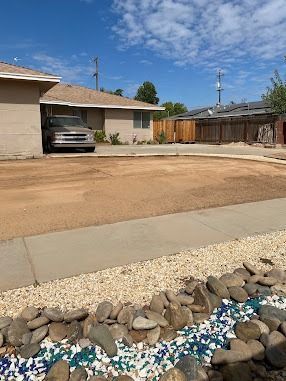
Skid steer control precision allows tight finish grades on residential and commercial pads, with blade adjustments made in small increments to match the design elevation across the full surface. The level reference is set at multiple points across the pad, and final passes are made with the bucket edge to smooth high spots and fill low areas that would otherwise trap water or create uneven support for the slab.
After the finish grading is complete, you'll notice standing water no longer collects in low spots during rain, and the pad surface is firm and consistent when walked across—no soft areas or visible dips that indicate uneven compaction. The reference stakes remain in place so the concrete crew or landscaper can verify elevation before they start work, which prevents delays and change orders that come from discovering grade issues too late in the build sequence.
The service includes both rough and finish grading, but it does not include soil import or removal—what's already on site gets redistributed and compacted. If your lot has insufficient fill or excess material that needs hauling, that's handled separately and priced based on volume and haul distance.
Answers to Frequent Service Questions
Property owners preparing for construction or addressing drainage problems often ask similar questions before scheduling grading work.
What happens if my lot has too much slope for finish grading?
The rough grading phase redistributes soil to reduce slope and establish drainage flow away from structures, but if the existing grade is too steep or there's not enough material on site, additional fill may be needed before finish grading can proceed.
How is the finish grade checked before the skid steer leaves?
A level reference is set across the full pad using grade stakes and a leveling tool, and final passes are made to match that reference plane—this is not an eyeball check from the cab, but a measured verification at multiple points.
When should I schedule grading in Fresno before a concrete pour?
Grading should be completed and checked at least a few days before the pour, so the soil has time to settle and the concrete crew can verify elevation without delays—seasonal rain and tule fog cycles can affect soil moisture and compaction timing in the Central Valley.
What does rough grading include compared to finish grading?
Rough grading establishes the basic slope and drainage pattern, moving larger amounts of soil to create the general shape, while finish grading refines the surface to a smooth, level plane that matches the design elevation for construction work.
Why does Valley soil create drainage issues that require professional grading?
Uneven soil composition and seasonal moisture from tule fog and rain cycles cause settling and water pooling in low spots, which means drainage must be designed into the grade before landscaping or slabs are installed—reactive fixes after construction are far more expensive.
Kims Junk Removal and Skidsteer Services is the detail-oriented grading crew for property owners who need it done right before the contractor pours the slab, and the finish grade is level-checked as a standard before the equipment leaves your site. Request a site visit to review your lot elevation and drainage needs before your construction schedule begins.