
Vegetation Management That Stops Fire Spread
Mountainside clearing and fire prevention in Sanger for properties where overgrown brush and dead vegetation create wildfire fuel loads
Kims Junk Removal and Skidsteer provides mountainside clearing and fire prevention services in Sanger for property owners who need to reduce wildfire risk without destroying the natural landscape. Defensible space around homes prevents flames from jumping from ground-level brush into tree canopies through the removal of ladder fuels—vegetation that bridges the gap between low-growing plants and overhead branches. Every property requires a customized approach based on slope angle, vegetation density, soil stability, and local fire conditions specific to the Sierra Nevada foothills.
This service removes dead brush, overgrown vegetation, and small combustible trees using forestry mulching and selective clearing methods that leave healthy mature trees intact while reducing fuel loads that feed fast-moving wildfires. Selective vegetation management preserves the natural appearance of your property and maintains soil stability on steep terrain where clear-cutting would trigger erosion during winter rains.
Schedule a property evaluation to assess slope conditions, vegetation density, and fire risk factors specific to your mountainside location.
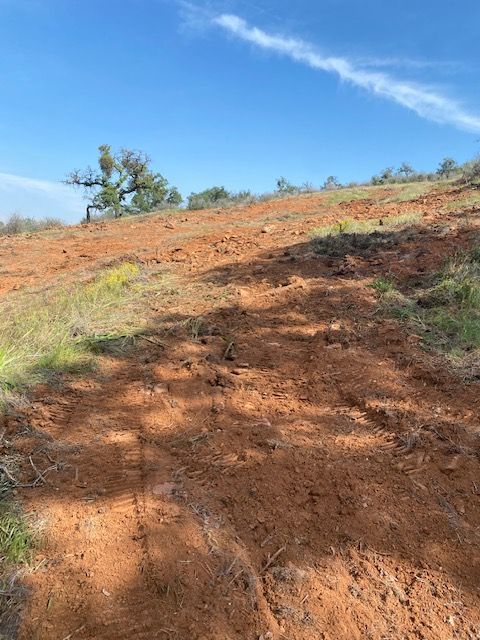
How Selective Clearing Reduces Fire Risk
Forestry mulching and brush clearing eliminate combustible materials without burning or hauling debris off-site, which means you avoid the permitting requirements and air quality restrictions that come with pile burning in California. The mulched material decomposes on-site and returns nutrients to the soil while creating a low-profile ground cover that resists ignition far better than standing dry brush.
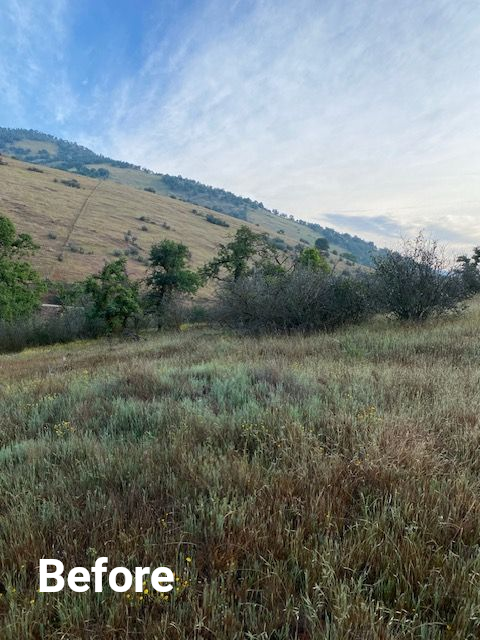
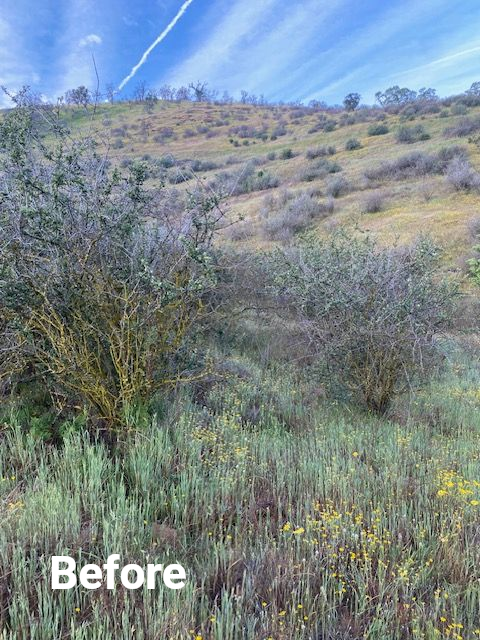
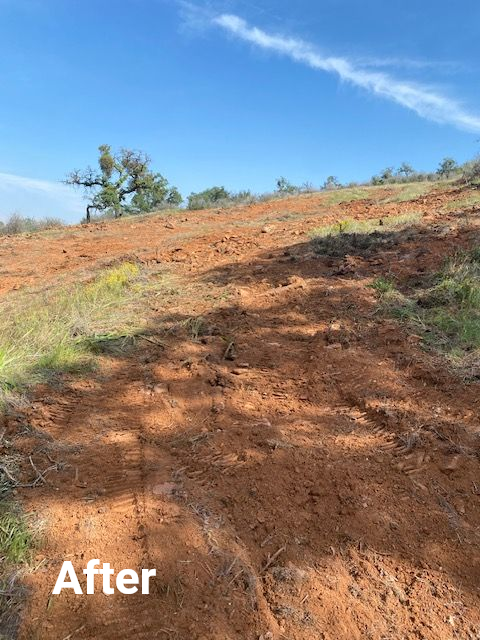
After clearing is finished, you notice wider sight lines across your property, improved access for emergency vehicles, and visible separation between ground vegetation and tree branches overhead. Fire inspectors and insurance assessors recognize properly maintained defensible space, which often results in better coverage terms for properties in high-risk zones throughout Fresno County.
Long-term benefits include healthier forest conditions with reduced competition for water and nutrients, fewer pest infestations like bark beetles that target stressed trees, and lower annual maintenance requirements once initial fuel loads are removed. Properties with well-managed vegetation also experience less erosion during heavy rain because root systems remain intact and mulch layers slow water runoff on steep slopes.
What Owners Ask About Fire Prevention Work
Property owners in Sanger frequently ask about the clearing process, timing, and what to expect during vegetation management on sloped terrain.
What does defensible space actually mean for mountainside properties?
Defensible space is the buffer zone between your home and wildland vegetation where all ladder fuels—dead brush, low-hanging branches, and densely packed shrubs—are removed so fire cannot climb from the ground into tree canopies, giving firefighters room to defend structures during a wildfire event.
How does forestry mulching compare to traditional brush removal?
Forestry mulching uses rotating drum attachments with carbide teeth to grind vegetation into fine mulch on-site, eliminating the need for burning or hauling truckloads of debris down narrow mountain roads, which reduces project time and avoids smoke impacts during California's strict air quality seasons.
When is the best time to schedule clearing work in the Sanger area?
Late fall through early spring offers the driest soil conditions for equipment access and cooler temperatures that reduce dust, while also completing work before fire season begins and before nesting birds occupy the area in late spring.
What happens to healthy trees during the clearing process?
Selective management preserves mature native oaks, pines, and other healthy trees by removing only the undergrowth and smaller trees that create fire ladders, maintaining the visual character of your property while improving forest health through reduced competition for moisture.
How often does defensible space need maintenance after the initial clearing?
Most properties require follow-up maintenance every two to three years depending on how quickly vegetation regrows, though annual inspections help catch problem areas early before fuel loads rebuild to hazardous levels.
Kims Junk Removal and Skidsteer works with property owners throughout the Sanger foothills to develop fire prevention plans that match local fire risk, terrain challenges, and vegetation patterns. Request an on-site consultation to review slope conditions and create a clearing plan tailored to your property's specific fuel reduction needs.